
The Pulse of Core Systems.
Raw infrastructure provides the power, but intelligence provides the direction. GridShift Core integrates analytical layers directly into the hardware-software seam, turning ambient telemetry into operational foresight.
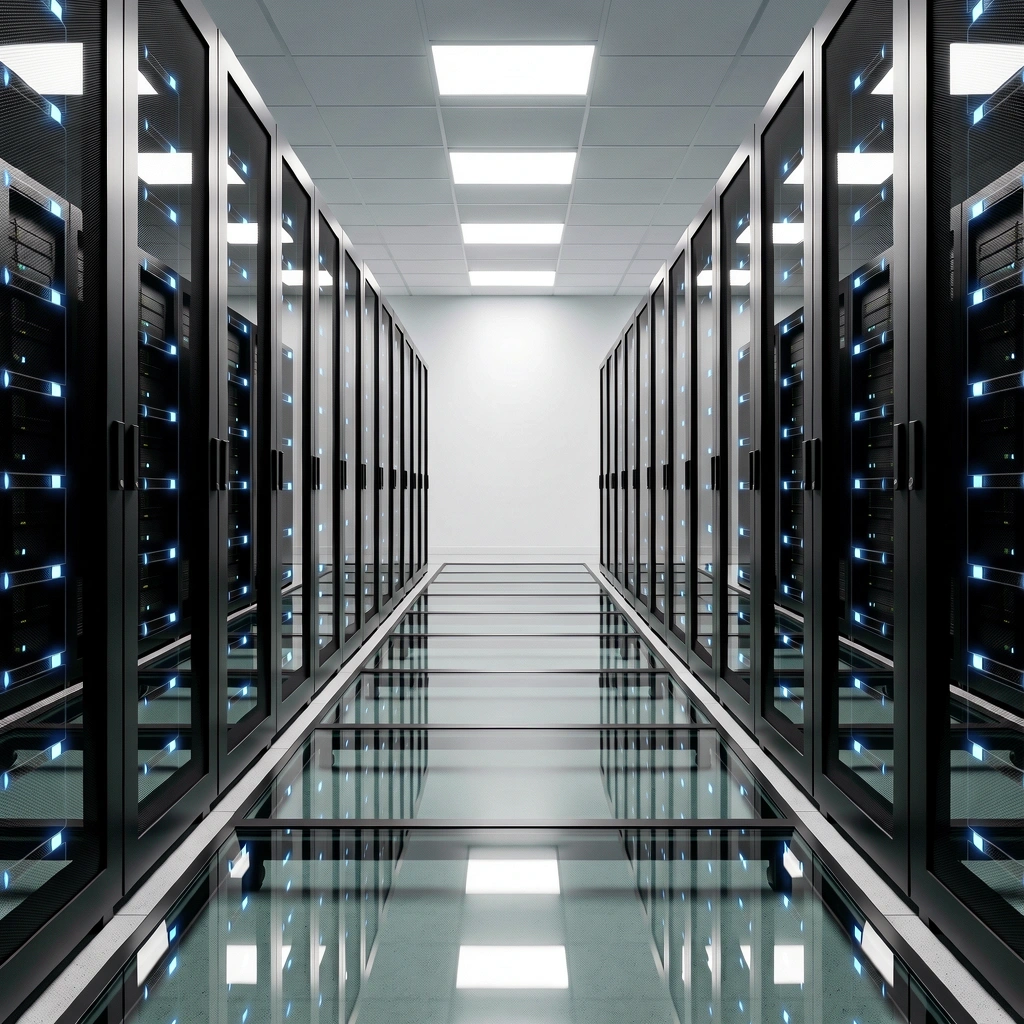
STATION_ID: BKK_NODE_48
Physical infrastructure monitored by real-time intelligence nodes across the Bangkok network.
Synthesis over
Standard Analysis.
Most organizations treat data as an afterthought—a report generated at the end of the month. At GridShift Core, we anchor intelligence into the very fabric of our core systems. We don't just store information; we process it at the edge of the network where every millisecond determines system health.
Our architecture utilizes a proprietary integration layer that bridges the gap between hardware telemetry and high-level decision logic. By embedding sensors at critical junctions of the data flow, we allow the system to self-correct based on predictive patterns before bottlenecks manifest into downtime.
- [01] Real-time telemetry streams from every hardware node.
- [02] Heuristic pattern matching to identify non-standard load behaviors.
- [03] Automated resource redistribution across technical infrastructure.
Functional Layers
A technical breakdown of how we map intelligence across the vertical stack of modern core systems.
Edge Extraction
Data is captured at the source without transit delay. We monitor thermal output, power fluctuations, and logic-gate efficiency to preempt mechanical failures.
Cognitive Routing
Our intelligence engines dynamically reroute packets and processing cycles based on historical traffic tides and projected demand spikes.
Secure Forensics
Continuous auditing of core systems via behavioral analysis allows for the immediate isolation of anomalous logic, protecting data integrity.
Bridging the Informational Void
In many legacy environments, data sits siloed within specific hardware clusters. Our approach to intelligence is to create a unified data fabric that spans across the entire core systems landscape. This allows for a macro-view of infrastructure health that was previously impossible.
When an intelligence layer is native to the infrastructure, the "observation cost" drops to near zero. We avoid the heavy compute tax of third-party monitoring tools by building diagnostics into the kernel of the GridShift operating environment.
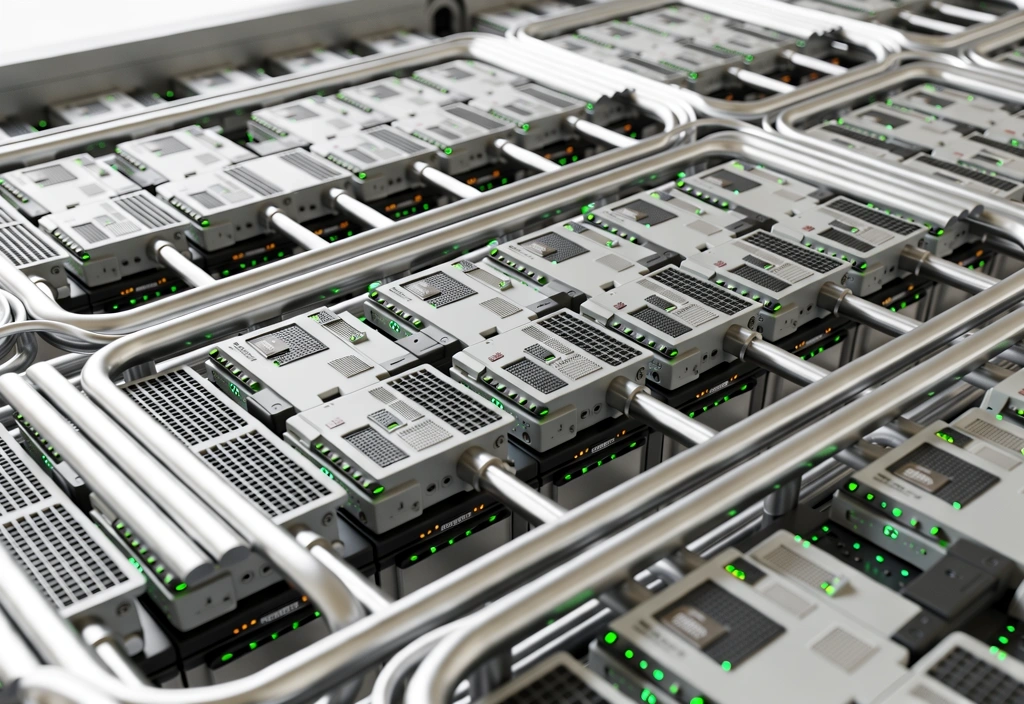
Intelligence Deployment
Select a system module to see the intelligence integration logic.
Predictive Flow Modulation
Our network intelligence layer analyzes ingress patterns over 24-hour cycles. If the system detects a 15% deviation from historical traffic norms at the Bangkok trunk, the intelligence core automatically initiates a load-balancing protocol before the primary systems reach 75% capacity.
Sensitivity
High
Reactive Tier
L1-Auto
Audit Mode
Full
Log Integrity
Verifiable
Heuristic Data Tiering
Intelligence at the storage layer identifies 'hot' data—frequently accessed core systems files—and migrates them to lightning-fast solid-state caches. Conversely, cold data is moved to archive nodes without the user or application layer ever experiencing a mount delay.
Optimization Result: 44% reduction in IOPS overhead.
Dynamic Resource Allocation
Compute intelligence moves beyond virtual machines. It analyzes hardware heat signatures and power efficiency per rack to decide which clusters should handle intense processing tasks, extending the hardware lifespan of your core systems significantly.
VIRTUAL_SENSOR_STATUS: ALL CLEAR
Inquiry & Implementation
Intelligence is the difference
between a system that just runs and a system that grows.
GRIDSHIFT CORE // DATA_INTELLIGENCE_DEPLOYMENT
BANGKOK 48, THAILAND
Phone
+66 2 7300 0948SYSTEM DATE: 2026-04-20
STATUS: OPTIMIZED